Kids today are not soft because they chose to be. They are soft because the world never gave them the chance to be reckless in the right ways.
They missed the window. That strange, beautiful stretch from roughly 2000 to 2010 when the economy was drunk, credit was free, and Japanese sport bikes were priced like consumer electronics. A brand new GSX-R 600 cost eight grand. You could work at McDonald's, smell like fryer oil, and still ride home on a machine capable of felony speeds.
They get eighteen-thousand-dollar bikes, three-hundred-dollar insurance payments, phones screaming statistics at them, parents who tracked their location until age twenty-two, and a culture that treats risk like a moral defect. Nobody ever told us to be careful — they just told us to wear a helmet and don't be an idiot all the time. That distinction mattered.
Tampa was ground zero. Year-round riding. Endless sprawl. Empty industrial parks. Warm nights that felt engineered for bad decisions. Thursday nights were bike nights. Saturdays were the lot. Sundays were track days. If you were bored, that was a personal failure.
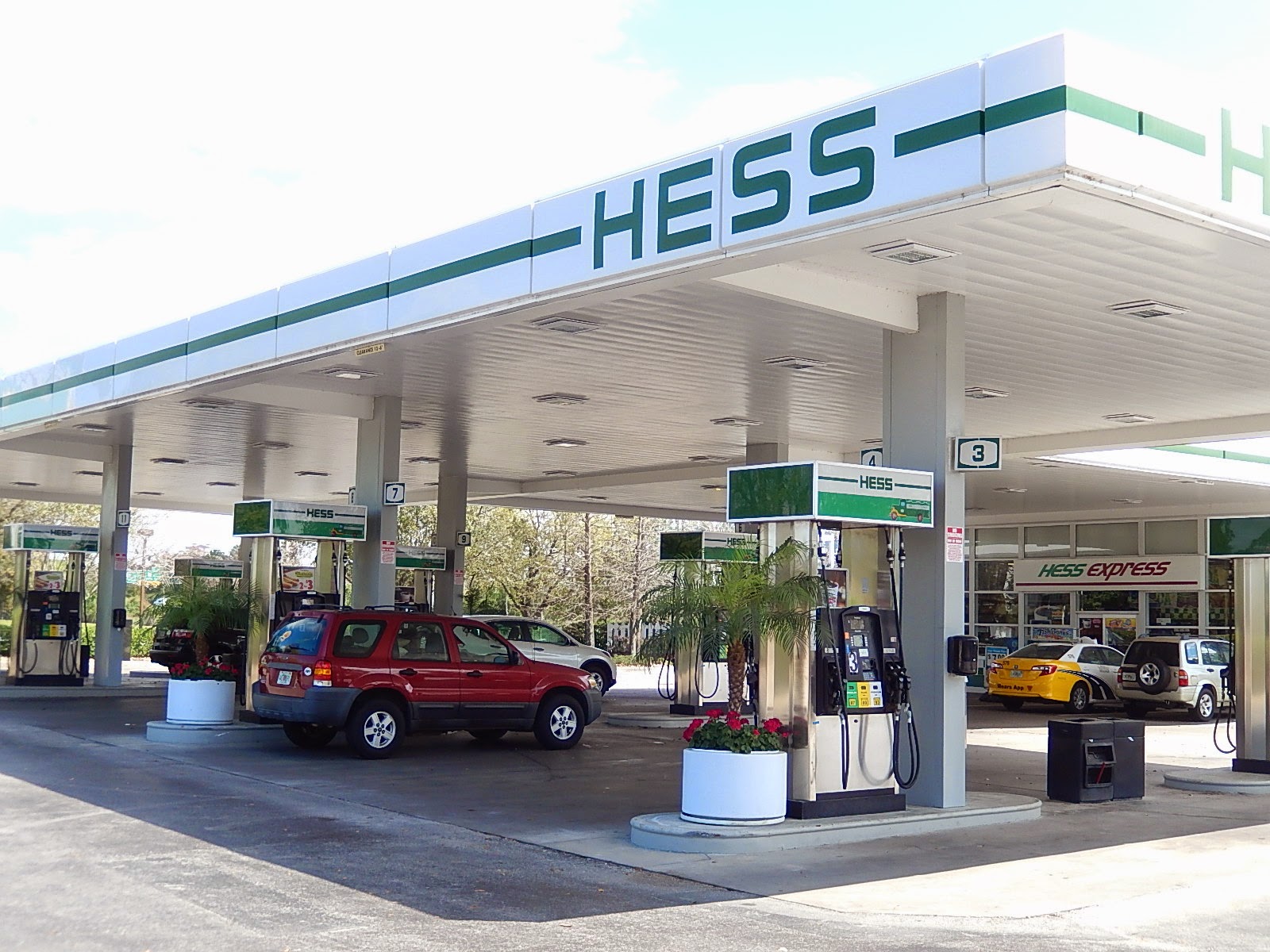
You did not need a plan. You rode to the Hess station across from Shepherd's and waited. Somebody always showed up. Sometimes four people. Sometimes twenty. Sometimes a total stranger with a bike you had never seen and skills that made everyone shut up and watch.
The best part was who showed up. Drag racers with stretched swingarms and slicks that still smelled like the strip. Road racers with tire warmers and notebooks. Stunt guys who could do figure-eight wheelies at walking speed. Old guys. Young guys. Every background you can name. Women who could out-ride half the guys posturing in the lot — not as mascots, just riders. A McDonald's fry cook on a clapped-out CBR 600 parked next to a C-level executive on a pristine Ducati 996. Nobody cared. Nobody asked. The bike was the résumé.
Because of that, we made a lot of friends. Real ones. Not LinkedIn connections. Not fantasy football group-chat acquaintances. Friends you trusted at triple-digit speeds. Friends who helped you wrench at midnight. Friends who disappeared for a year and came back like no time had passed.
There was always an older guy too. Every scene had one. He would have something perfect and slightly strange — an RC51 that looked better than new, an XR 650 Supermoto before anyone knew what a Supermoto was. He did not talk much. He did not need to. When he rode, everyone paid attention. That was the lesson.
Looking back, I realize something else was happening. We were giving young men a way to be dangerous without being useless.
At sixteen, I came home with a bright yellow Suzuki Katana. My Boomer dad looked at it, shrugged, and said: 'Eh. At seventeen they shipped me to Vietnam. Get insurance.' That was it. No speech. No panic. No lecture. My mom was more concerned, at least briefly. Then she asked for a ride around the block.
Young men were not told to suppress their appetite for risk. They were told to channel it. Learn the machine. Respect it. Screw up and you would pay for it. Do it right and you earned something real. Of course it was not all good — bikes got stolen, people did unbelievably stupid things, and some people paid real prices. One friend of mine parked a bike into the side of a car at a hundred and fifty miles an hour. That part was not romantic. But those risks shaped us. You learned judgment early. You learned the difference between confidence and stupidity. You learned that danger was not something to cosplay, but something to manage.
Then 2008 hit and the music stopped. Credit dried up. Dealerships folded. Insurance went insane. The young riders vanished. Stunt lots got fenced off. Track days got expensive. Sport bikes stopped being an everyman machine and became a niche luxury. COVID brought riding back, but different. Adventure bikes. Retro bikes. Quiet bikes. Safe bikes. Nothing wrong with that. But the chaos never fully returned.
Now we tell young men to be dangerous in theory but harmless in practice. We sell them aggression in video games and movies, then punish them for wanting something real to put it into. And they feel it.
I am now at an age where owning more than one motorcycle makes me the odd one out. I am surrounded by grown men who collect craft beer like it is a personality trait and argue about hops with religious conviction. Meanwhile I have a garage with a couple of bikes and somehow I am the irresponsible one.
Kids today did not get lucky. They did not get the cheap bikes. They did not get the unregulated freedom. They did not get the accidental brotherhood. They did not get gas-station nights that turned into stories you still tell decades later. They did not get the Hess station.
And that is a shame, because the world does not need fewer motorcycles. It needs more places where different people show up for the same reason. More spaces where young men can learn how to handle danger instead of being told to fear it. More ways for people to feel awake instead of merely well behaved.
If growing older means getting softer, then maybe we misunderstood the assignment. Some of us stayed sharp. Some of us kept riding. And maybe that makes us survivors of a loud, reckless, beautiful mistake the world will never allow again.